





Food Blogger Website Design

Food Blogger Web Design

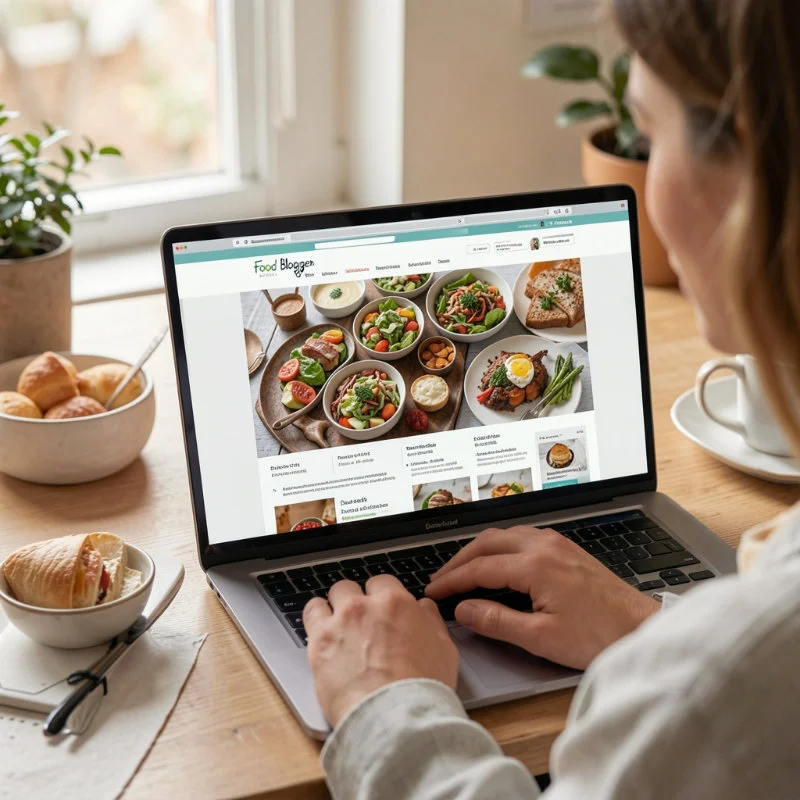
Professional Food Blogger Website Design That Turns Your Recipes Into a Powerful Online Brand

Your food content deserves more than a social media feed.

Whether you share original recipes, restaurant reviews, cooking tutorials, food photography, travel experiences, healthy eating ideas, baking inspiration, or culinary stories, a professional food blogger website gives your content a permanent digital home.

At Butterfly Prime Solutions, we create custom food blog websites designed to showcase your personality, recipes, photography, videos, and culinary expertise while helping you attract search traffic, grow an audience, build authority, and create opportunities to monetize your content.

From independent food bloggers and recipe creators to professional culinary influencers and food content businesses, we build websites around the way you create and publish content.

Ready to Take Your Food Blog to the Next Level?

Professional Food Blogger Website Design That Turns Your Recipes Into a Powerful Online Brand

Why You choose Us?

Why Work with Butterfly Prime Solutions for your Food Blogging Website Design

We don’t just design websites we build digital assets that work. With over a decade of experience, we combine technical excellence with deep marketing insight to deliver results.

Custom-Built, Not Cookie-Cutter
Mobile-First, Always
Fast, Lightweight, and Scalable
SEO Optimization From Day One
Integrated with Tools You Already Use
Results That Speak for Themselves
Secure, Stable, and Ready for Growth
Collaborative Approach With Clear Milestones
Ongoing Support & Maintenance Plans


We build websites with purpose tailored to your audience, brand voice, and business objectives.

Butterfly Prime Solutions Why work with us

Why Food Bloggers Need a Professional Website More Than Ever

Food content has exploded across the internet.

People search Google and social media every day for:

  • Recipes
  • Cooking ideas
  • Restaurant recommendations
  • Baking tutorials
  • Healthy meals
  • Local food experiences
  • Restaurant reviews
  • Meal planning ideas
  • Food photography
  • Cooking tips

Platforms such as Instagram, TikTok, YouTube, Pinterest, and Facebook can help food creators build audiences, but relying entirely on social media can limit your control over your content and audience journey. A professional website gives you a platform that belongs to your brand.

You can organize recipes into searchable categories, publish detailed articles, showcase food photography, embed videos, collect email subscribers, promote products, work with brands, and build an SEO strategy that can bring visitors to your website through search engines.

For food bloggers who want to turn content creation into a serious business, a website can become the foundation of their digital presence.

Common Challenges Food Bloggers Face Online

A recipe shared on social media may receive attention for a few days before disappearing beneath newer content.

A website allows your recipes to remain organized and discoverable.

Your Content Is Spread Across Multiple Platforms

You may have:

  • Instagram posts
  • TikTok videos
  • YouTube content
  • Pinterest pins
  • Facebook posts

But where does someone go to see everything you create?

Your website can bring your content ecosystem together.

You Don’t Own Your Social Media Audience

Platform algorithms can change.

Reach can fluctuate.

Features can disappear.

Your website and email list provide greater control over your long-term audience-building strategy.

Readers Struggle to Find Older Content

As your content library grows, older recipes can become difficult to locate.

A properly structured food blog can organize content by:

  • Cuisine
  • Meal type
  • Ingredients
  • Dietary preferences
  • Cooking method
  • Difficulty
  • Occasion
  • Season

Your Food Photography Doesn’t Get Enough Attention

Food is visual.

Your website can provide dedicated space for your photography rather than limiting it to social media thumbnails.

Monetization Opportunities Are Limited

A professional food blog can support multiple revenue streams beyond social media sponsorships.

Your Content Isn’t Optimized for Search

Great recipes aren’t automatically going to rank on Google.

A strategic food blog SEO approach can help search engines understand your recipes and content.

How Butterfly Prime Solutions Helps

At Butterfly Prime Solutions, we create websites that combine editorial storytelling, recipe functionality, visual presentation, SEO, and monetization opportunities.

Custom Food Blog Design

Create a visual identity that reflects your personality and culinary niche.

Recipe-Focused Architecture

Make it easy for visitors to browse, search, save, and follow recipes.

Food Blog SEO

Build a strong foundation for attracting organic traffic.

Content Organization

Structure your articles and recipes into logical categories.

Mobile-First Experience

Ensure recipes and articles are easy to read while users are cooking from their phones.

Social Media Integration

Connect your website with your existing content channels.

Email List Building

Turn website visitors into subscribers.

Monetization Support

Create opportunities for:

  • Advertising
  • Sponsored content
  • Affiliate marketing
  • Digital products
  • Courses
  • Recipe books
  • Brand collaborations

Features Included In The Food Blogger  Website

1. Custom Food Blogger Homepage

Create a homepage that introduces your brand and directs visitors toward your best content.

It can feature:

  • Featured recipes
  • Latest posts
  • Popular recipes
  • Food photography
  • Categories
  • About section
  • Videos
  • Newsletter signup
  • Brand collaborations
  • Social media
  • Products

2. Recipe Library

Create an organized recipe database containing:

  • Recipe title
  • Introduction
  • Ingredients
  • Instructions
  • Preparation time
  • Cooking time
  • Total time
  • Servings
  • Difficulty
  • Nutrition information where applicable
  • Food photographs
  • Recipe notes

3. Recipe Search

Allow visitors to search your recipe library using keywords.

For example:

  • Chicken
  • Pasta
  • Breakfast
  • Dessert
  • Vegan
  • Quick Meals

4. Recipe Categories

Recipes can be organized into categories such as:

  • Breakfast
  • Lunch
  • Dinner
  • Desserts
  • Baking
  • Snacks
  • Drinks
  • African Cuisine
  • International Cuisine
  • Healthy Recipes
  • Vegetarian Recipes

5. Recipe Filters

Advanced filtering can help users discover recipes based on:

  • Ingredients
  • Cuisine
  • Meal type
  • Cooking time
  • Dietary preference
  • Difficulty
  • Season
  • Occasion

6. Printable Recipes

Create print-friendly recipe pages for readers who prefer having instructions beside them while cooking.

7. Recipe Cards

Structured recipe cards can make recipes easier to read and help search engines understand recipe information.

8. Food Photography Gallery

Showcase your best:

  • Dishes
  • Ingredients
  • Cooking processes
  • Restaurant experiences
  • Travel photography
  • Behind-the-scenes content

9. Food Video Integration

Embed videos from platforms such as:

  • YouTube
  • Vimeo
  • TikTok

This allows visitors to consume your content in different formats.

10. Restaurant Review Section

If you review restaurants, create a dedicated section for:

  • Restaurant reviews
  • Food ratings
  • Dining experiences
  • Cuisine reviews
  • Restaurant photography
  • Location information

11. Food Travel Section

For food bloggers who travel, create content around:

  • Food destinations
  • Local restaurants
  • Markets
  • Food festivals
  • Traditional dishes
  • Culinary experiences

12. About the Food Blogger

Tell your story.

Include:

  • Who you are
  • Your food philosophy
  • How you started
  • Your culinary interests
  • Your photography style
  • Your areas of expertise
  • Your collaborations

13. Blog

Create a dedicated blog for:

  • Recipes
  • Restaurant reviews
  • Food guides
  • Cooking tips
  • Ingredient guides
  • Food stories
  • Culinary travel
  • Interviews
  • Industry news

14. Newsletter Signup

Build your own email audience.

Encourage visitors to subscribe for:

  • New recipes
  • Weekly meal ideas
  • Restaurant recommendations
  • Exclusive recipes
  • Cooking tips
  • Special announcements

15. Social Media Integration

Connect your food blog with:

  • Instagram
  • TikTok
  • YouTube
  • Pinterest
  • Facebook

16. Sponsored Content Pages

Create dedicated opportunities for brands interested in:

  • Sponsored recipes
  • Product reviews
  • Sponsored articles
  • Recipe development
  • Brand campaigns

17. Media Kit

A professional media kit can include:

  • Audience information
  • Website traffic
  • Social media statistics
  • Demographics
  • Previous partnerships
  • Services
  • Collaboration opportunities
  • Contact information

18. Brand Collaboration Page

Create a page explaining how food brands, restaurants, hotels, tourism businesses, and other companies can work with you.

19. Affiliate Marketing Functionality

Integrate affiliate links for applicable:

  • Kitchen equipment
  • Ingredients
  • Cookbooks
  • Food products
  • Cooking tools

20. Digital Products

Your website can sell:

  • Recipe ebooks
  • Meal plans
  • Cooking guides
  • Digital cookbooks
  • Recipe collections
  • Cooking courses
  • Templates

21. Ecommerce Functionality

Where appropriate, integrate ecommerce functionality for digital and physical products.

22. Comments and Community Features

Where appropriate, allow readers to interact with your content.

23. Related Recipe Recommendations

Automatically suggest similar recipes to keep visitors exploring your website.

For example:

  • You May Also Like
  • More Chicken Recipes
  • Similar Desserts

24. Social Sharing

Make it easy for readers to share recipes and articles.

25. Responsive Design

Your website should work smoothly across:

  • Smartphones
  • Tablets
  • Laptops
  • Desktop computers

26. SEO-Friendly Architecture

Structure your website to support search visibility across:

  • Recipes
  • Ingredients
  • Cuisines
  • Locations
  • Food categories
  • Restaurant reviews
  • Blog articles

What Can a Professional Food Blogger Website Do for You?

Build a Recognizable Food Brand

Turn your name, personality, photography, recipes, and content into a cohesive digital brand.

Attract Organic Search Traffic

SEO can help your recipes and articles become discoverable through search engines.

Create a Central Content Hub

Bring your recipes, videos, reviews, social media, and articles together.

Own Your Digital Platform

Reduce your dependence on third-party social media platforms.

Build an Email Audience

Turn casual visitors into long-term subscribers.

Improve Content Discoverability

Categories, filters, search functionality, and internal linking can make your content easier to explore.

Create Multiple Revenue Streams

Support advertising, affiliate marketing, sponsored content, digital products, and brand partnerships.

Increase Brand Collaboration Opportunities

A professional website can make your food blog more attractive to potential commercial partners.

Establish Authority

Consistently publishing useful food content can help position you as an authority in your niche.

Create Long-Term Content Value

A strong recipe library can continue attracting visitors long after individual social media posts have disappeared from feeds.

Our Website Design Process

Step 1: Discovery

We learn about:

  • Your niche
  • Target audience
  • Content types
  • Recipes
  • Brand personality
  • Platforms
  • Monetization goals
  • SEO objectives

Step 2: Website Strategy

We determine:

  • Site structure
  • Categories
  • Navigation
  • Recipe architecture
  • Content hierarchy
  • Conversion points
  • SEO opportunities

Step 3: Content Planning

We organize your:

  • Recipes
  • Articles
  • Photography
  • Videos
  • Reviews
  • About content
  • Brand information

Step 4: Design

We create a visual direction around your food photography and personal brand.

Step 5: Development

The approved design is transformed into a functional website.

Step 6: Recipe Implementation

Recipes are structured for usability and search visibility.

Step 7: Integrations

We connect relevant:

  • Social media
  • Email marketing
  • Analytics
  • Video platforms
  • Ecommerce
  • Affiliate systems
  • Advertising platforms

Step 8: SEO

We optimize the website’s technical and content foundation.

Step 9: Testing

We test:

  • Mobile responsiveness
  • Recipe navigation
  • Search
  • Forms
  • Sharing
  • Videos
  • Links
  • Page performance

Step 10: Launch

Your food blogger website goes live.

Step 11: Ongoing Support

We can help with:

  • New content
  • Recipe additions
  • Website updates
  • SEO
  • Design improvements
  • New functionality

Why Choose Butterfly Prime Solutions?

We Build Food Websites That Are More Than Digital Recipe Books

Custom Design

Your website should look and feel like your brand.

Content-First Approach

Food blogs depend on content. We structure your website around that content.

SEO-Focused Architecture

We build opportunities for recipes and articles to attract organic traffic.

Mobile-First Thinking

Your readers may be standing in the kitchen with a phone in one hand and ingredients in the other.

The website needs to work accordingly.

Scalable Website Structure

As your recipe library grows, your website can grow with it.

Monetization-Friendly

Build your website around your long-term business model.

Social Media Integration

Your website can become the central hub connecting your different platforms.

Conversion-Focused

Encourage visitors to:

  • Subscribe
  • Read another recipe
  • Buy a product
  • Contact you
  • Collaborate
  • Follow you

Industry-Specific Integrations & Functionality

Recipe Structured Data

Implement appropriate recipe structured data to help search engines understand recipe content.

Google Analytics

Monitor website traffic and visitor behaviour.

Search Console

Track search visibility and indexing.

Email Marketing Platforms

Connect newsletter forms to your preferred email marketing system.

YouTube

Embed cooking tutorials and food videos.

Pinterest

Connect your recipes and visual content with Pinterest.

Instagram

Showcase your latest visual content.

TikTok

Integrate short-form food videos.

Ecommerce

Sell digital products and applicable physical products.

Payment Gateways

Support online payments for products and services where appropriate.

Affiliate Platforms

Support applicable affiliate marketing programmes.

Advertising Platforms

Where appropriate, integrate advertising solutions for monetization.

CRM

Manage brand collaboration enquiries and business relationships.

Custom APIs

Where required, APIs can connect the website with external marketing, ecommerce, CRM, analytics, or content platforms.

Why Food Bloggers Need a Professional Website More Than Ever

Food blogging has evolved far beyond simply sharing recipes online.

Today, food bloggers are content creators, photographers, reviewers, storytellers, influencers, educators, and in many cases, full-fledged digital businesses. They publish recipes, create cooking videos, review restaurants, collaborate with brands, recommend products, share food experiences, and build communities across multiple platforms. But while social media has made it easier to gain attention, it has also made one thing increasingly important: owning a professional website.

For a serious food blogger, a website is more than a digital portfolio. It can become the central hub for recipes, articles, photography, videos, partnerships, email marketing, search engine optimization, and monetization.

At Butterfly Prime Solutions, we create professional food blogger websites designed to help food creators turn their content into a stronger, more discoverable, and more sustainable online brand.

FAQs About Food Blogger Websites

01
What is a food blogger website?
A food blogger website is a dedicated online platform where a food creator can publish recipes, articles, food photography, videos, restaurant reviews, culinary stories, and other food-related content.
02
Why does a food blogger need a website?
A website provides a central platform for your content, gives you greater control over your online presence, supports SEO, helps build an email audience, and creates opportunities for monetization.
03
Can I publish recipes on my food blog?
Yes. A recipe-focused website can include structured recipe pages with ingredients, instructions, preparation times, photographs, and other useful information.
04
Can my food blog rank on Google?
Yes. A technically sound website with useful content and an effective SEO strategy can compete for relevant food, recipe, ingredient, and culinary searches.
05
Can I categorize my recipes?
Absolutely. Recipes can be organized by cuisine, meal, ingredients, dietary preference, cooking method, occasion, and other relevant categories.
06
Can visitors search for recipes?
Yes. A search system can allow readers to find specific recipes or ingredients quickly.
07
Can I monetize my food blog?
Yes. Depending on your business model, monetization options can include advertising, affiliate marketing, sponsored content, digital products, courses, ebooks, and brand collaborations.
08
Can I sell an ebook from my food blog?
Yes. Ecommerce functionality can be integrated to sell digital products such as recipe ebooks and cookbooks.
09
Can I include YouTube videos on my food blog?
Yes. YouTube and other compatible video platforms can be embedded into your recipes and articles.
10
Can restaurants contact me for collaborations?
Yes. A dedicated collaboration or work-with-me page can explain your services and provide a contact or enquiry form.
11
Can I create a media kit?
Yes. A professional media kit page can present your audience, services, statistics, previous partnerships, and collaboration opportunities.
12
Can I use my food blog to promote my social media accounts?
Yes. Your website can integrate your social platforms and encourage visitors to follow your channels.
13
Can I include restaurant reviews?
Yes. A dedicated restaurant review section can help organize reviews by location, cuisine, rating, and other categories.
14
Can my food blog be optimized for mobile?
Yes. Responsive design ensures that recipes, articles, images, and videos work effectively across smartphones, tablets, and computers.
15
Can Butterfly Prime Solutions redesign my existing food blog?
Yes. An existing food blog can be redesigned to improve its appearance, recipe organization, mobile experience, SEO structure, monetization opportunities, and overall usability.
Full Service Web Design

Ready to Build a Food Blogger Website That Grows With Your Brand?

Your recipes deserve more than disappearing into a social media feed. Your food photography deserves a beautiful platform.

Your stories deserve to be discovered. And your audience deserves a place where they can easily explore everything you create.

At Butterfly Prime Solutions, we create professional food blogger websites designed around your content, personality, audience, SEO strategy, and monetization goals.

Whether you’re a:

  • Recipe Blogger
  • Food Influencer
  • Food Photographer
  • Restaurant Reviewer
  • Food Travel Blogger
  • Cooking Content Creator
  • Baking Blogger
  • Healthy Food Blogger
  • Culinary Expert

or a creator building a broader food media brand, we can help you establish a powerful online presence.