





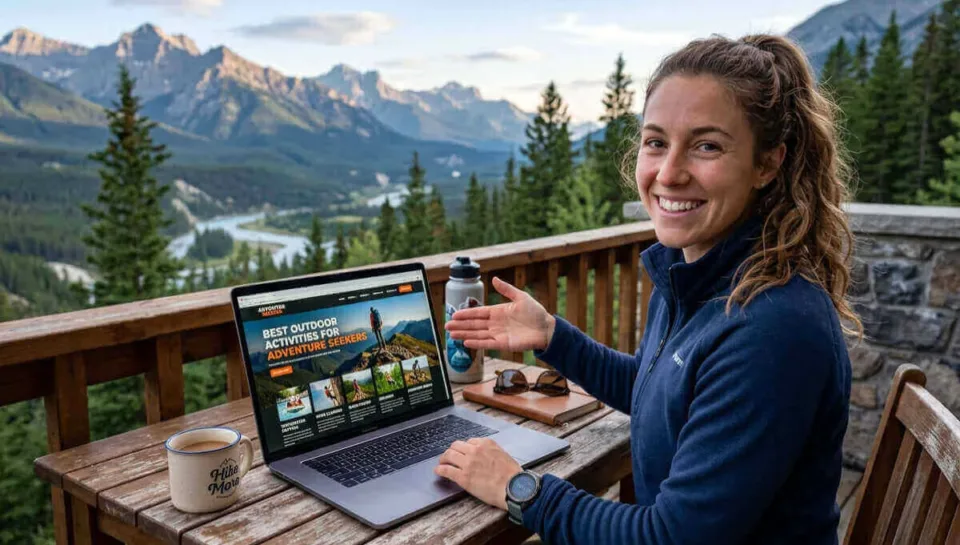
Best Outdoor Activities for Adventure Seekers
Best Outdoor Activities for Adventure Seekers
For some people, a relaxing holiday is enough.
For others, the perfect outdoor experience involves climbing higher, moving faster, exploring unfamiliar terrain, navigating rivers, crossing challenging landscapes, or testing physical and mental limits.
Adventure seekers are constantly looking for experiences that provide something more than ordinary recreation. They want excitement, discovery, challenge, memorable scenery, and stories worth sharing.
That has created enormous opportunities for businesses operating in the adventure sports, outdoor recreation, adventure tourism, and experiential travel industries.
From mountain climbing and whitewater rafting to kayaking, ziplining, mountain biking, surfing, hiking, canyoning, paragliding, and skydiving, there are countless experiences capable of attracting customers who are actively searching for their next adventure.
However, discovering an exciting activity is only the beginning.
Today’s adventure seekers increasingly research their experiences online. They compare activities, explore photographs and videos, investigate safety information, read reviews, check requirements, compare packages, and look for convenient ways to make reservations.
For adventure businesses, this means that the digital experience can be almost as important as the physical one.
A strategically designed adventure sports website can transform an exciting activity into an easily discoverable, trustworthy, and bookable experience.
This is where Butterfly Prime Solutions can help adventure businesses build websites that combine visual storytelling, search engine optimization, intuitive user experience, and conversion-focused functionality.
Understanding the Industry Challenge
Adventure seekers have more choices than ever.
The modern customer can discover outdoor experiences through search engines, social media, travel websites, video platforms, recommendation sites, blogs, review platforms, and online marketplaces.
That abundance of choice creates an important challenge for adventure businesses:
How do you convince someone that your experience deserves their time, attention, and money?
The answer involves much more than simply listing activities.
Adventure Seekers Want Experiences
Customers are rarely searching for an activity in isolation.
They are searching for a feeling.
Someone interested in kayaking may be looking for freedom and exploration.
Someone interested in rock climbing may want a physical challenge.
Someone searching for ziplining may want an exciting group experience.
Someone interested in hiking may be looking for nature, discovery, exercise, or a break from routine.
Adventure businesses therefore need to communicate the experience behind the activity.
Safety Matters
Adventure activities often involve physical challenges and unfamiliar environments.
Customers want to know that the business takes safety seriously.
They may investigate:
- Guide qualifications
- Equipment
- Safety procedures
- Participant requirements
- Experience levels
- Age restrictions
- Weather policies
- Emergency procedures
- Preparation requirements
A professional digital presence gives businesses the opportunity to answer these questions before the customer even makes contact.
Customers Compare Before Booking
An adventure seeker may visit several websites before making a decision.
They may compare:
- Activities
- Prices
- Packages
- Reviews
- Photographs
- Locations
- Availability
- Safety information
- Booking convenience
- Overall professionalism
The website therefore becomes an important part of the competitive landscape.
Inspiration and Information Must Work Together
An adventure website needs to inspire visitors while also helping them make practical decisions.
A spectacular photograph may generate excitement.
A detailed activity page can turn that excitement into a booking.
The strongest websites combine both.
Why a Professional Website Matters for Adventure Businesses
A professional adventure tourism website gives outdoor businesses a place to showcase the full experience rather than relying on scattered social media posts or third-party platforms.
It can become the central hub for discovery, education, trust, bookings, and customer communication.
Turn Adventure Ideas Into Bookable Experiences
A customer might search for “things to do outdoors” without knowing exactly what they want.
A well-organized website can introduce them to several possibilities.
They may discover:
Outdoor Activities → Adventure Experiences → Individual Activity → Package → Booking
This creates opportunities to capture customers at different stages of the decision-making journey.
Showcase Different Types of Adventure Seekers
Not every adventure seeker wants the same thing.
A website can organize experiences around different preferences.
For example:
For Beginners
- Introductory climbing
- Beginner kayaking
- Guided hikes
- Easy cycling adventures
- Introductory rafting
For Thrill Seekers
- Skydiving
- Bungee jumping
- Paragliding
- High-speed rafting
- Extreme climbing
For Nature Lovers
- Hiking
- Wildlife-focused outdoor experiences
- Kayaking
- Mountain excursions
- Scenic cycling
For Groups
- Adventure challenges
- Rafting
- Ziplining
- Group hikes
- Team-based outdoor experiences
This makes it easier for visitors to identify experiences that fit their interests.
Create Searchable Experience Pages
Each major activity can have a dedicated page optimized for relevant search queries.
Instead of placing every activity on one page, an adventure activity website can create detailed pages for:
- Hiking
- Rock climbing
- Kayaking
- Rafting
- Mountain biking
- Ziplining
- Surfing
- Canyoning
- Paragliding
- Skydiving
These pages can become valuable SEO landing pages while giving customers more detailed information.
Benefits of a Professional Website for Adventure Businesses
A strategic website can support both marketing and operations.
Attract People Actively Searching for Adventures
Search engines provide access to customers who are already researching activities.
Someone searching for a specific adventure may be much closer to making a purchase than someone who simply sees a random advertisement.
SEO allows businesses to position themselves where these potential customers are looking.
Build Excitement Before the Experience
A good website can begin the adventure before the customer arrives.
Photography, video, storytelling, maps, testimonials, and activity descriptions can help visitors imagine themselves participating.
Generate Direct Bookings
A streamlined booking experience gives customers an immediate path from discovery to action.
This can reduce reliance on manual enquiries.
Establish Credibility
Professional design, clear information, authentic reviews, experienced guide profiles, safety information, and transparent policies can strengthen customer confidence.
Reach Multiple Customer Segments
An adventure business can use dedicated pages to target:
- Families
- Couples
- Groups
- Beginners
- Experienced adventurers
- Corporate groups
- Outdoor enthusiasts
- Travelers
- Fitness-oriented customers
Develop Long-Term Search Visibility
A website provides an opportunity to build an expanding content library.
Every useful article, activity page, guide, FAQ, and landing page can contribute to the website’s overall search presence.
Own the Customer Journey
Instead of sending every customer to a third-party marketplace, businesses can create their own digital environment where customers discover activities, learn about them, build confidence, and book.
Essential Website Features for Adventure Businesses
The best adventure sports web design combines excitement with usability.
The website should feel adventurous without becoming confusing.
1. A Visually Powerful Homepage
The homepage should immediately communicate the nature of the experiences available.
A strong hero section might include:
- High-impact adventure photography
- Short action video
- Compelling headline
- Brief experience description
- Primary booking CTA
- Secondary “Explore Activities” CTA
The objective is to capture attention without overwhelming visitors.
2. Activity Discovery System
Customers should be able to explore activities easily.
An activity directory can organize experiences according to:
- Activity type
- Difficulty
- Duration
- Age suitability
- Group size
- Experience level
- Physical intensity
This turns a large collection of adventures into an easy-to-navigate experience catalogue.
3. Individual Activity Pages
Every major experience deserves enough space to sell itself.
An activity page could include:
- Overview
- Experience description
- Difficulty
- Duration
- Requirements
- What’s included
- Equipment
- Safety information
- Pricing
- Gallery
- Video
- Reviews
- FAQs
- Booking options
4. Online Booking
A professional adventure activity booking website should make reservations as straightforward as possible.
Customers should be able to select their experience, choose a suitable date, enter participant information, and complete the booking process with minimal friction.
5. Experience Packages
Packages can increase choice and simplify purchasing.
Possible packages include:
- Beginner packages
- Family packages
- Couples’ adventures
- Group experiences
- Premium experiences
- Multi-activity packages
- Private adventures
- Full-day experiences
6. Difficulty and Fitness Information
Customers need to know what they are getting into.
Clear difficulty indicators can help them choose appropriate experiences.
A simple system could classify activities as:
Easy → Moderate → Challenging → Advanced
Additional information about fitness, physical requirements, and previous experience can make the decision easier.
7. Safety Centre
Safety content should be easy to find.
A dedicated safety section can discuss:
- Equipment
- Instructor qualifications
- Participant preparation
- Safety procedures
- Weather considerations
- Emergency protocols
- Restrictions
This can become one of the strongest trust-building areas of the website.
8. Guide Profiles
Adventure experiences are often strongly influenced by the people leading them.
Profiles can introduce instructors and guides, highlighting their expertise, experience, qualifications, and areas of specialization.
9. Customer Reviews
Authentic reviews can reassure visitors who are unfamiliar with the business.
Testimonials can also be placed strategically throughout the website, particularly on activity and booking pages.
10. Adventure Gallery
A carefully organized gallery can showcase the atmosphere of different experiences.
Instead of simply displaying random photographs, categorize visual content around:
- Activities
- Locations
- Groups
- Guides
- Equipment
- Customer experiences
11. Video Content
Short videos can communicate the energy of an adventure better than paragraphs of text.
Businesses can use:
- Activity previews
- Customer reactions
- Guide introductions
- Safety demonstrations
- Behind-the-scenes content
- Adventure highlights
12. Interactive Maps
For outdoor activities, geography matters.
Maps can help customers understand routes, meeting points, activity areas, access points, and surrounding attractions.
13. Mobile-Friendly Design
Adventure seekers frequently browse on smartphones.
The mobile website should make it easy to:
- Explore activities
- Watch videos
- Read requirements
- Contact the business
- Check availability
- Book an experience
14. Frequently Asked Questions
An extensive FAQ section can remove uncertainty.
Questions can cover:
- What should I bring?
- Is the activity suitable for beginners?
- What happens if weather conditions change?
- Is equipment provided?
- How long does the experience last?
- What should I wear?
- Are there age restrictions?
- How early should I arrive?
SEO Strategy for Adventure Businesses
Creating the best adventure website is only half the job.
Potential customers need to find it.
A focused adventure sports SEO strategy can help businesses capture search demand from people at different stages of the adventure-planning process.
Target Activity-Based Keywords
Each major experience should have a clear keyword strategy.
For example:
- Hiking adventures
- Guided kayaking
- Whitewater rafting
- Rock climbing experiences
- Mountain biking tours
- Ziplining experiences
- Outdoor adventure activities
Instead of forcing every keyword onto the homepage, build dedicated pages around individual search themes.
Target Question-Based Searches
Many adventure seekers begin with questions.
Examples include:
- Is kayaking difficult?
- What should I wear for hiking?
- Is rock climbing suitable for beginners?
- What equipment do I need for rafting?
- How physically demanding is mountain biking?
- What should I expect on a zipline adventure?
These questions provide excellent opportunities for educational content.
Build Adventure Topic Clusters
An adventure business could create a content cluster around a single activity.
For example:
Core Page: Rock Climbing Adventures
Supporting content:
- Beginner’s Guide to Rock Climbing
- What to Wear Rock Climbing
- Rock Climbing Safety Tips
- Rock Climbing Equipment Guide
- How Physically Demanding Is Rock Climbing?
- Indoor vs Outdoor Rock Climbing
- Preparing for Your First Climbing Experience
Each article can link naturally back to the main service page.
Optimize for Commercial Search Intent
Informational content attracts early-stage visitors.
But businesses should also target searches with stronger purchasing intent.
Examples include:
- Book a guided hike
- Adventure activity booking
- Kayaking experience booking
- Guided climbing experience
- Outdoor adventure packages
- Adventure tour reservations
These visitors are closer to conversion and should be directed toward clear booking pages.
Develop Comparison Content
Comparison searches can attract people who are deciding between experiences.
For example:
- Kayaking vs rafting
- Hiking vs mountain biking
- Ziplining vs climbing
- Guided vs self-guided adventures
- Beginner vs advanced adventure experiences
Comparison content can help visitors make decisions while introducing them to the business’s services.
Create Evergreen Adventure Guides
Useful guides can attract organic traffic over time.
Potential topics include:
- Complete Guide to Outdoor Adventure Activities
- How to Choose the Right Adventure Activity
- Best Adventure Activities for Beginners
- Outdoor Adventure Safety Guide
- What to Pack for an Adventure Experience
- How to Prepare for Your First Outdoor Adventure
Use Strong Internal Linking
Content should not exist in isolation.
An article about adventure preparation can link to relevant activities.
An activity page can link to safety information.
A safety guide can link to preparation resources.
This creates a connected website ecosystem.
Optimize Images and Videos
Adventure websites can become media-heavy.
Images and videos should therefore be optimized carefully to protect page speed.
The goal is to maintain visual impact without creating a slow website.
Optimize for Mobile Search
A large portion of adventure discovery can happen on smartphones.
Mobile optimization should therefore be incorporated into the overall SEO and UX strategy.
Common Website Mistakes Adventure Businesses Should Avoid
Mistake 1: Treating the Website Like a Photo Gallery
Adventure businesses have incredible visual material, but photographs alone do not answer customer questions.
Images should support a complete purchasing journey.
Mistake 2: Listing Activities Without Selling the Experience
“Kayaking – 2 Hours” is not enough.
Explain what customers will experience, who the activity is for, what they will see, what is included, and why the experience is worth choosing.
Mistake 3: Making Booking Difficult
If a customer has to search through multiple pages just to discover how to reserve an experience, the website is creating unnecessary friction.
Mistake 4: Ignoring Beginners
Not every adventure seeker is an experienced athlete.
Many potential customers are trying an activity for the first time.
Websites should clearly explain beginner options.
Mistake 5: Hiding Safety Information
Customers should not have to hunt for safety information.
Make it accessible and understandable.
Mistake 6: Using Only Generic Stock Photography
Authentic images of real experiences can be significantly more persuasive than generic outdoor photographs.
Mistake 7: Failing to Explain Difficulty
A customer who cannot determine whether an activity suits their fitness or experience level may leave the website.
Mistake 8: Ignoring SEO
A visually impressive website that cannot be discovered through search engines is missing a major customer acquisition opportunity.
Mistake 9: Making the Website Too Complicated
Adventure websites can easily become overloaded with animation, video, menus, galleries, maps, and other visual elements.
Excitement should never come at the expense of usability.
Mistake 10: Forgetting Existing Customers
The website should also serve people who have already booked.
Useful preparation guides, arrival information, FAQs, packing lists, and post-adventure resources can improve the overall customer experience.
How Butterfly Prime Solutions Can Help Adventure Businesses
Butterfly Prime Solutions can help adventure businesses transform their websites into platforms designed around discovery, inspiration, trust, and conversion.
Adventure-Focused Website Strategy
The website can be structured around how people actually discover and choose outdoor experiences.
That means considering:
- Search behaviour
- Customer questions
- Activity categories
- Experience levels
- Booking journeys
- Visual storytelling
- Content opportunities
- Conversion points
Custom Adventure Sports Web Design
A custom design can give an adventure company a digital identity that reflects the energy of its experiences.
The website can combine dramatic visual presentation with clear navigation and practical information.
SEO-Friendly Website Development
Butterfly Prime Solutions can structure websites around search-friendly architecture, dedicated activity pages, content opportunities, internal linking, responsive design, and technically sound development.
Booking and Enquiry Functionality
Depending on the business model, websites can be developed to support:
- Online bookings
- Enquiries
- Scheduling
- Availability
- Payments
- Registration
- Customer information collection
Conversion-Focused Landing Pages
Specific adventure experiences can be supported by dedicated landing pages designed to move visitors toward enquiries or bookings.
Content-Friendly Website Architecture
A strong website should make it easy for businesses to keep publishing useful adventure content.
This supports ongoing SEO growth while giving customers more information.
Mobile-First Experience
Butterfly Prime Solutions can develop responsive experiences designed to work effectively across smartphones, tablets, and desktop devices.
Scalable Development
As an adventure company expands its activities, packages, destinations, content, or booking functionality, the website should be able to grow with it.
Why Choose Butterfly Prime Solutions
Adventure businesses need websites that understand the difference between showing an activity and selling an experience.
Butterfly Prime Solutions approaches web design with the broader customer journey in mind.
Strategic Rather Than Template-Driven
The website structure is developed around the business’s objectives, customers, activities, and conversion goals.
Built for Visual Storytelling
Adventure businesses have powerful stories to tell. The website should give those stories room to breathe without compromising usability.
SEO-Conscious Development
Search visibility is considered as part of the site’s structure rather than treated as an afterthought.
Conversion-Oriented UX
Visitors should always have a logical next step, whether that is exploring an activity, checking availability, requesting information, or booking.
Flexible Functionality
The website can be designed around the operational needs of the business rather than forcing the business into a rigid website structure.
Designed for Growth
A website should remain useful as the business introduces new adventures, packages, content, campaigns, and customer experiences.
Frequently Asked Questions
1. What are the best outdoor activities for adventure seekers?
Popular outdoor adventure activities include hiking, rock climbing, kayaking, whitewater rafting, mountain biking, ziplining, surfing, canyoning, paragliding, skydiving, and other physically or mentally challenging experiences.
2. What is a good adventure activity for beginners?
Guided hikes, introductory kayaking, beginner climbing experiences, scenic cycling, and introductory rafting can be suitable options depending on the individual’s fitness, age, experience, and the operator’s requirements.
3. What are the most extreme outdoor activities?
Activities such as skydiving, bungee jumping, advanced climbing, high-intensity whitewater rafting, canyoning, and paragliding can provide highly intense experiences. Appropriate training, equipment, professional supervision, and safety procedures are essential.
4. How can adventure businesses attract customers online?
Adventure businesses can combine SEO, professional web design, social media, video marketing, content marketing, online reviews, email marketing, paid advertising, and online booking functionality to attract and convert customers.
5. Why is SEO important for adventure businesses?
SEO can help adventure businesses appear when people search for activities, experiences, preparation advice, destinations, comparisons, and booking opportunities.
6. What should an adventure sports website include?
An effective website can include activity pages, booking functionality, pricing, reviews, photography, video, safety information, guide profiles, FAQs, maps, preparation guides, contact options, and strong calls to action.
7. Should an adventure company have a separate page for every activity?
Major activities should generally have dedicated pages. This creates a clearer customer experience and provides opportunities to optimize individual pages for specific search intent.
8. How important is online booking for adventure businesses?
Online booking can simplify the customer journey and allow visitors to move from discovering an experience to reserving it without unnecessary communication delays.
9. Can a website help adventure businesses sell different packages?
Yes. Dedicated package pages can help businesses present beginner, family, group, premium, private, and multi-activity options to different customer segments.
10. How can adventure businesses use content marketing?
They can publish activity guides, preparation resources, safety information, equipment guides, comparison articles, beginner resources, destination content, and answers to frequently searched customer questions.
11. How can an adventure website build trust?
Businesses can showcase reviews, experienced guides, qualifications, safety procedures, authentic photographs, clear policies, equipment information, and detailed activity descriptions.
12. Can Butterfly Prime Solutions build a website for an adventure sports company?
Yes. Butterfly Prime Solutions can create a custom digital experience around an adventure company’s activities, audience, content strategy, booking requirements, SEO objectives, and broader business goal.